Staying Consistent for 30 Days: A System That Holds
By:Author:Brainway Editorial
Updated on:October 18, 2026
- Does Showing Up Daily Actually Change Anything?
- How the 30-Day Habit Loop Actually Forms
- How Often You Need to Repeat the Habit
- Why the Small Version Beats the Ambitious Version
- Making 30 Days of Consistency Fit a Full Calendar
- The Myth That One Perfect Month Fixes Everything
- What Actually Moves the Needle Over 30 Days
- Mistakes That Quietly End a 30-Day Attempt
- Using Brainway to Hold a 30-Day Streak
- Carrying a 30-Day Habit Past Day 30
Staying consistent for 30 days comes down to one thing: making the habit small enough that missing it feels harder than doing it. That's the whole mechanism - reduce the friction, repeat the action, let the routine take over from motivation.
Motivation fades fast, usually within days, which is why relying on it sets most 30-day attempts up to fail before they start. A system built on low effort and visible tracking survives the days when motivation is nowhere to be found.
This article covers whether consistency actually works the way people assume, what's happening mechanically when a habit starts to stick, how often you need to show up, and the mistakes that quietly undo a month of effort.
Does Showing Up Daily Actually Change Anything?
Yes, repetition changes behaviour because the brain automates anything done often enough in the same context - that's the mechanism behind every habit you already have, good or bad.
The arithmetic is simple. Thirty days of a two-minute action is one hour of total effort spread across a month, which is a low price for a routine that can run largely on autopilot by the end of it.
Compare that to a single ambitious effort that demands thirty minutes once and gets abandoned after three days: that's ninety minutes of effort for nothing that lasts. Small and frequent beats large and occasional almost every time, simply because frequent is what builds the automatic pattern.
How the 30-Day Habit Loop Actually Forms
Two things are doing the work underneath any 30-day streak: the cue-action loop, and the visible record that keeps you honest with yourself.
The Cue That Triggers the Action Without a Decision
A habit sticks when it's attached to something that already happens every day, like making coffee or sitting down at a desk. The cue does the remembering so you don't have to decide afresh each morning whether today is a habit day.
The Record That Makes Progress Impossible to Ignore
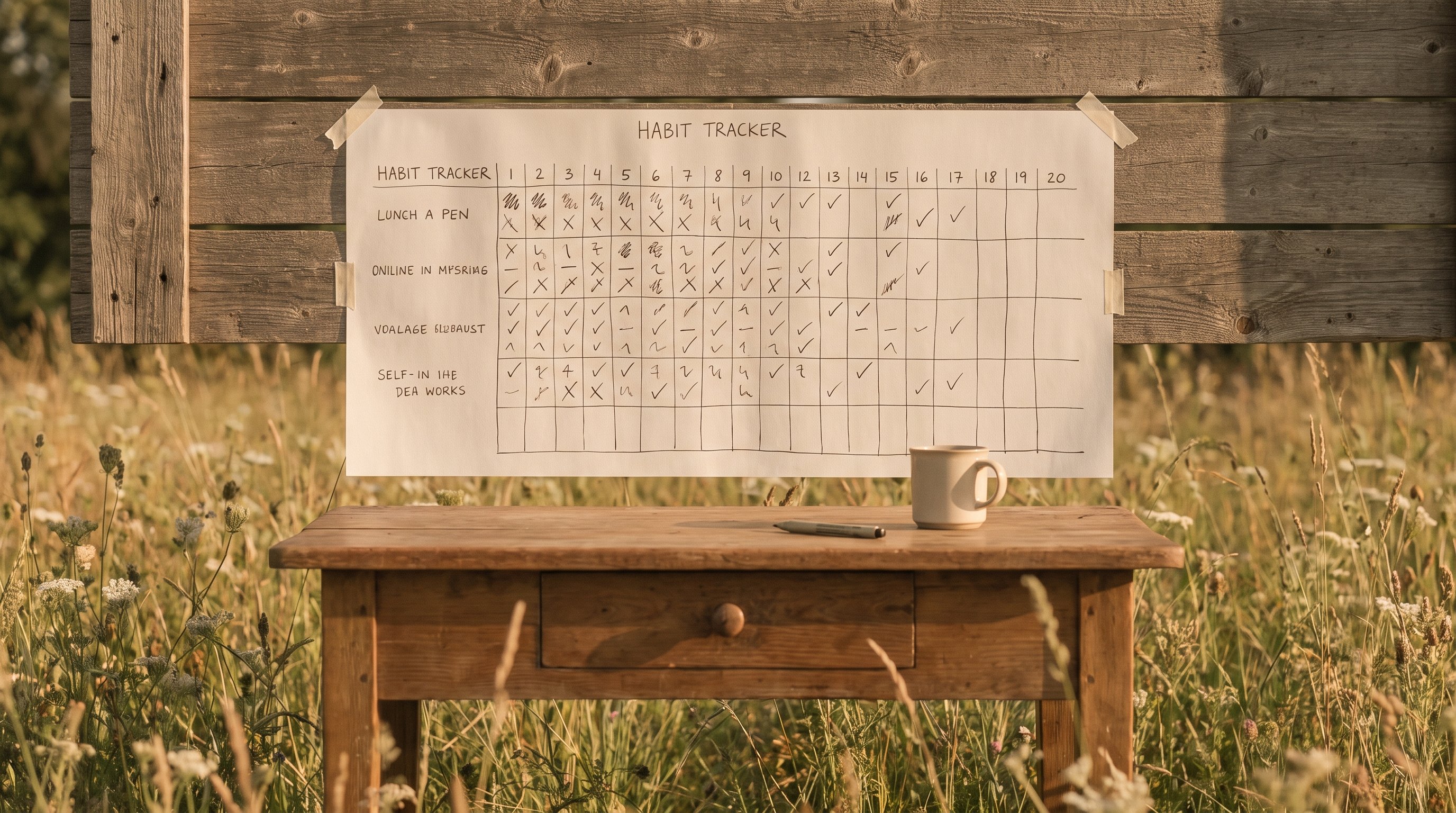
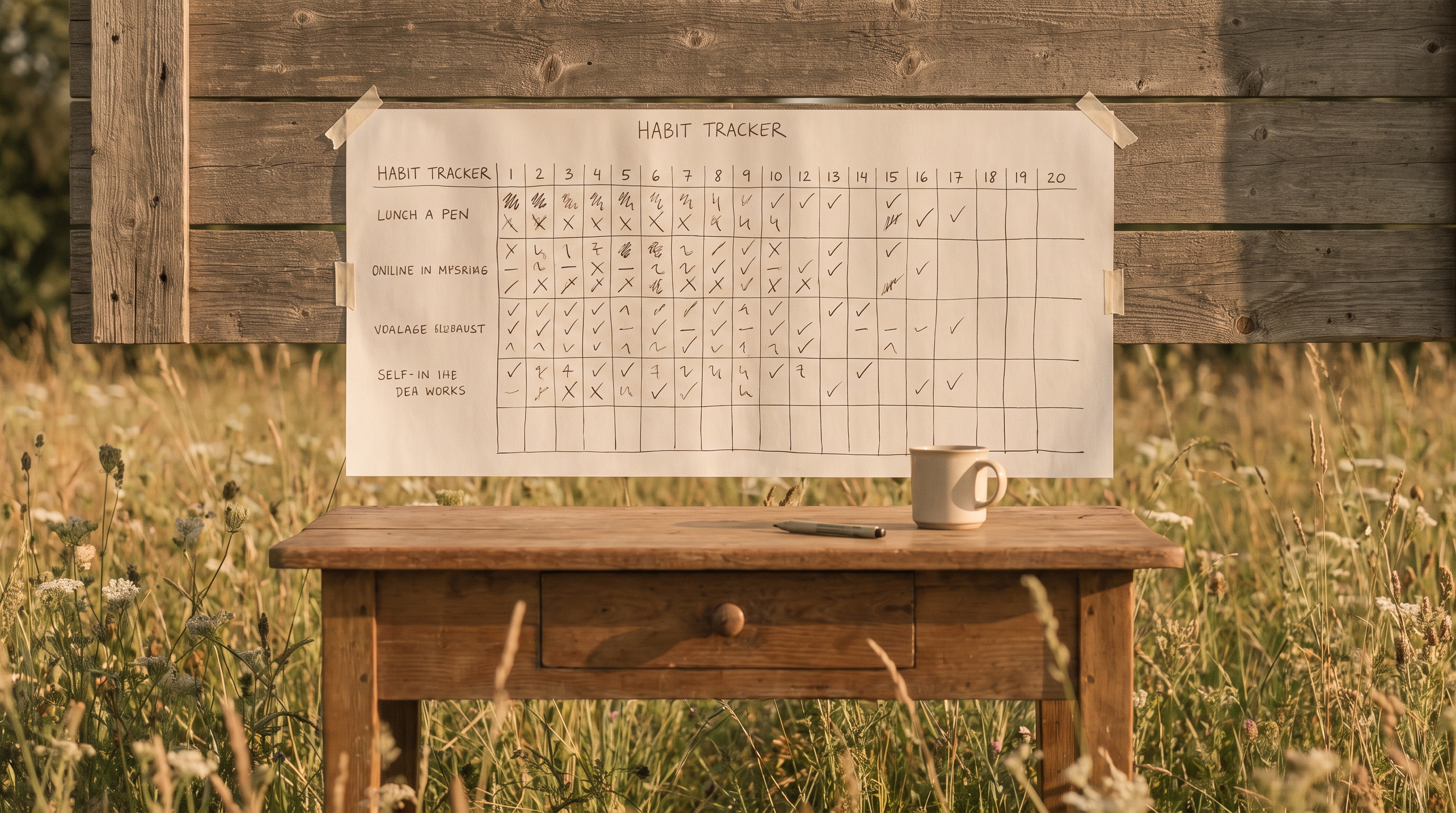
Tracking a streak turns an abstract intention into a visible line of days that either grows or breaks. Once you can see 12 days in a row, skipping day 13 starts to feel like a loss, not just a missed task.
How Often You Need to Repeat the Habit
Daily is the frequency that works best for a 30-day stretch, not because more is always better, but because daily removes the need to remember your own schedule.
Matching Frequency to the Size of the Habit
A habit done every day only needs to be small - a few minutes is plenty. The bigger the time commitment, the more likely gaps appear, and gaps are what break a 30-day attempt before day 10.

| Frequency | Typical Effort | Risk of Dropping Off |
|---|---|---|
| Once a day | 2 to 5 minutes | Low, easy to remember |
| Every other day | 10 minutes | Medium, gaps feel normal |
| A few times a week | 15 to 20 minutes | High, easy to forget |
| Once a week | 30 minutes plus | Very high, no real loop forms |
Once a day at a small size is the version that actually survives a real month.
Why the Small Version Beats the Ambitious Version
Picture two people trying to build the same habit. One commits to an hour of focused work every day starting now; the other commits to five minutes.
The hour version demands a clear calendar, high energy and no interruptions, which is a rare combination on most days. The five-minute version fits into a gap between two other things, which means it actually happens on the busy days too, and busy days are most of them.

Over 30 days, the five-minute version racks up far more completed days, and completed days are the only thing that builds the loop. Adherence beats intensity because a habit only works if it's actually repeated.
Making 30 Days of Consistency Fit a Full Calendar
The plan has to survive the version of your week that actually happens, not the version you wish you had.
That means picking a time slot that exists even on a bad day, attaching the habit to something you already do, and accepting that some days it'll be the smallest possible version of the task.
This is where a structured nudge helps rather than hurts. Daily 5-minute lessons and daily guidance are built for exactly this - a small, repeatable action that fits into a day that's already full, with weekly progress reviews so you can see the month add up instead of guessing.
The Myth That One Perfect Month Fixes Everything
A single 30-day streak doesn't permanently lock in a habit, and it doesn't erase whatever made the habit hard to start in the first place.
There's no clean finish line where a habit becomes automatic forever and never needs attention again - that's not how behaviour works, and promising it would be dishonest.
The real answer is quieter: 30 days builds a loop that's easier to keep running than it was to start, but it still needs the cue and the small action to stay in place afterwards. Treat the month as the on-ramp, not the destination.
What Actually Moves the Needle Over 30 Days
Three things decide whether a 30-day attempt turns into a lasting habit or fizzles out around week two.
What Changes the Outcome
- Size of the daily action - a habit small enough to do on your worst day is the one that survives your worst day.
- A fixed cue - attaching the habit to an existing routine removes the need to remember it on your own.
- A visible record - seeing the streak grow is what makes skipping a day feel costly instead of neutral.
Mistakes That Quietly End a 30-Day Attempt
Starting Too Big on Day One
An ambitious version of the habit feels great for three days and then collapses the first time the schedule gets tight. Start with the smallest version you'd be embarrassed to call a habit - it's easier to upgrade than to resurrect.
Treating One Missed Day As a Failed Month
A single gap doesn't erase the days before it, but the all-or-nothing mindset often does. Pick the habit back up the next day and let the streak count start again rather than scrapping the whole attempt.
No Fixed Cue to Hang the Habit On
Relying on remembering is unreliable because memory competes with everything else happening in a day. Tie the action to something that already happens at the same time, every time.
No Way to See the Progress
Without a visible tally, a month of effort can feel like it went nowhere, even when it didn't. A simple tracker, a calendar mark or a weekly review turns invisible effort into something you can actually see add up.
Using Brainway to Hold a 30-Day Streak
Keeping a habit alive for 30 days is mostly a structure problem, not a willpower problem, and that's the gap Brainway is built to close.
Brainway pairs daily 5-minute lessons with tailored habit-building strategies and weekly progress reviews, so the small daily action and the visible record both live in one place instead of relying on memory. CBT-based practices and daily guidance are there for the days motivation doesn't show up, which is most of them.
Unlock Your Focus
Build Better Focus
Carrying a 30-Day Habit Past Day 30
The best move today is the smallest version of the habit you can start in the next five minutes, not the plan for a perfect month.
Pick one cue, one tiny action and one way to track it, then let day 30 take care of itself.
FAQ
Not automatically - 30 days builds a loop that's easier to maintain, but the cue and the small action still need to stay in place afterwards. Think of it as a strong start rather than a finish line.
That usually means the habit has become automatic, which is the actual goal, not a sign to quit. If it feels too easy, that's the moment to keep it exactly the same size rather than making it harder.
Starting with a version of the habit that's too big for a busy day is the most common reason streaks break. Daily 5-minute lessons are built around that exact problem, keeping the daily ask small enough to survive a full calendar.
One missed day doesn't undo the days before it, even though it can feel that way. Restart the next day, keep the habit the same small size, and let the streak count begin again rather than treating the gap as a reason to stop.
Share this post